


About
Set within the iconic 1,839-acre Mauna Kea Resort on the Kohala Coast, the Mauna Kea Residences offer a collection of luxury two- to seven-bedroom residences. Centered around the renowned Mauna Kea Beach Hotel and The Westin Hapuna Beach Resort, the resort blends timeless elegance with exceptional amenities. Owners have the opportunity to join the Club at Mauna Kea, providing access to the resort's two white sand beaches, swimming pools, fitness centers, the Seaside Tennis Club, two championship golf courses, spa services, and an array of dining venues at both hotels. The resort also offers a diverse selection of real estate opportunities, including estate homes, townhomes, condominiums, and homesites, all within the lowest-density master-planned resort community on the Kohala Coast.
Dan Polimino & The Hawaii Team's Track Record at Mauna Kea
Dan Polimino and The Hawaii Team at Keller Williams Big Island have closed 2 sales in Mauna Kea.
62-3606 Loii Way #C3
Price: $1,820,000 | Buyer’s agent: Dan Polimino | Represented the buyer
Lot 30 – 62-6053 Amaui Nani Pl
Subdivision: Mauna Kea Resort | Price: $1,775,000 | Buyer’s agent: Dan Polimino | Represented the buyer
September 2026 Stats
There were no single family sales in September. One single-family home closed at Mauna Kea Resort in August, listed at $14,900,000 and selling for $13,400,000, representing 89.9% of the Sale/Current Price after 36 days on the market. The price per building square foot was $1,907 and $408 per land square foot.
August 2026 Single Family Home Market Stat Details +One condominium sale closed at Mauna Kea Resort in September, at $3,802,000 after 254 days on the market. The sale represented 95% of the current list price and 90.5% of the original asking price, reflecting a price adjustment during its extended marketing period. At $1,589 per building square foot, the transaction underscores enduring value at one of the Kohala Coast’s most storied resorts.
September 2026 Condo Market Stat Details +
2025 Year End Market Stats
The iconic Mauna Kea Resort recorded 16 transactions in 2025 – 7 residential and 9 condominiums. The average sales price was $7,099,143 for homes and $3,954,889 for condos – a Sale to List ratio of 94.5% of original list price. Average days to sale were 106 and the price per square foot averaged $1,657.
Why People Love Mauna Kea

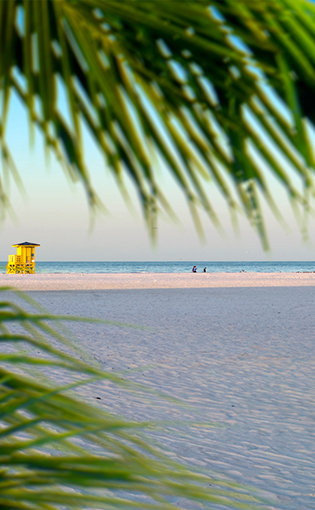
Home to One of Hawaiʻi’s Most Beautiful White-Sand Beaches
Kaunaʻoa (Mauna Kea) Beach is consistently ranked among the best beaches in the world, offering calm waters, soft sand, and postcard-perfect ocean views just steps from the community.

Legendary Robert Trent Jones Sr. Golf
The Mauna Kea Golf Course is a historic masterpiece, famous for its oceanfront holes, dramatic elevation changes, and classic design that has challenged golfers for generations.

Oceanview & Hillside Residences
Homes and condos at Mauna Kea offer sweeping views of the Pacific, Maui, and the Kohala coastline, with architectural styles that blend mid-century elegance and modern island living.
Mauna Kea Events
If you haven’t ever experienced the Kona Coffee Cultural Festival, 2026 may be your year to attend at least one of the many events highlighted during Hawaiʻi’s oldest food festival. The revelry begins on November 6 and runs through November 15. The festival honors Kona’s cultural heritage and recognizes the accomplishments of Kona coffee pioneers, farmers, and artisans. Events include a coffee cupping contest, a latte art throwdown, barista training sessions, a cultural festival, a half marathon, a coffee recipe contest, beauty pageants, a lantern parade, and more. Really, something for everyone. For more on the festival and its events, konacoffeefest.com.
Real Estate Tips

September 2026 Market Statistic Summaries
by Dan Polimino | October 20, 2026Kona-Kohala Coast · Resort Market September recorded nine condominium closings across the Kona-Kohala Coast: one at Kohanaiki, one at Mauna Kea, four at Mauna Lani, and three at Waikoloa Beach Resort. Kohanaiki’s sale closed at $4.2 million, at full asking price. Mauna Lani led in activity with four closings, while Waikoloa Beach Resort’s sales included […]
Read More +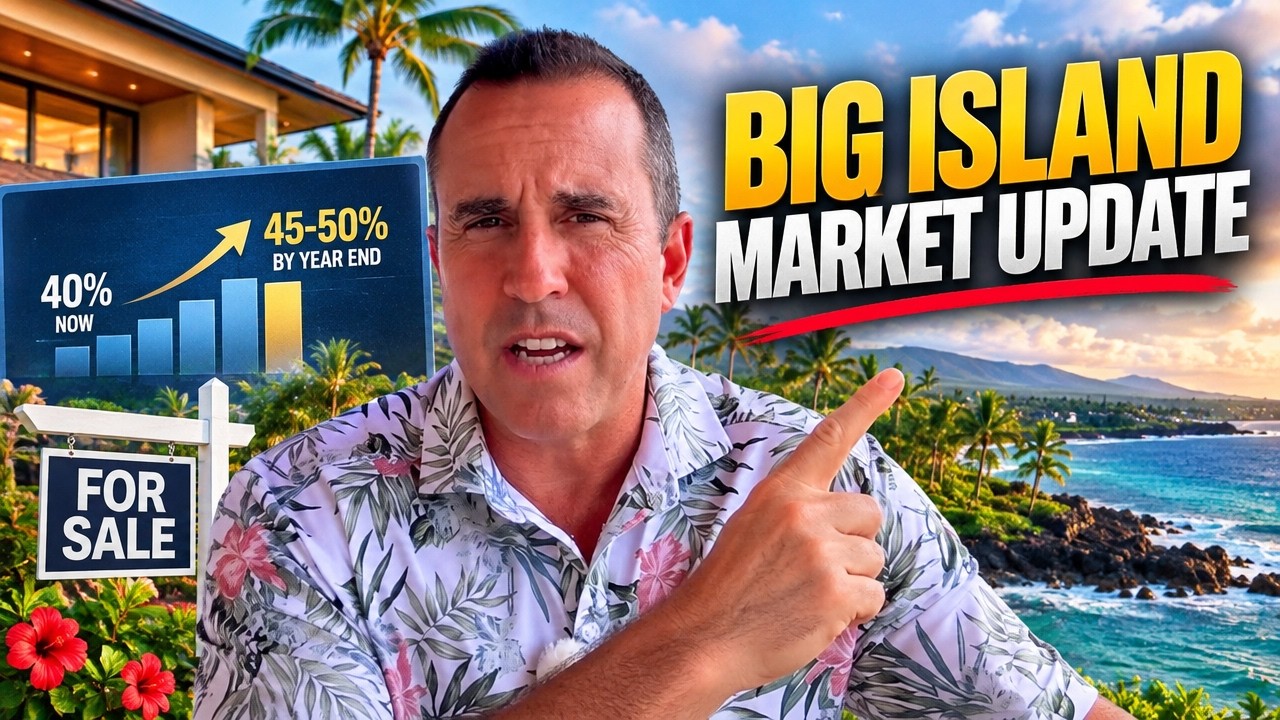
Mauna Kea Real Estate
Mauna Kea
Resort FAQ
The Kona Nightingale is a little-known piece of Kona’s coffee history. Farmers brought donkeys to Hawaiʻi in the 19th century to haul coffee cherries and heavy supplies across steep Kona lava fields. Because many farmers could only afford a single donkey, the lonely animals would loudly bray across the valleys at night, earning them the ironic nickname "Kona Nightingales". After World War II, farmers replaced the donkeys with surplus military Jeeps and turned the animals loose. The donkeys proliferated until the feral population grew into the hundreds around Waikoloa and West Hawaiʻi. Local groups eventually trapped, castrated, and re-homed hundreds of donkeys to sanctuaries and ranches. You can meet resident "Nightingales" like Shizu and Charlie Boy at the Kona Historical Society’s Living History Farm in Captain Cook. https://konahistorical.org/
Mauna Kea Resort is a coastal resort and residential community in the South Kohala District, on the Kohala Coast of Hawaiʻi Island, centered on Kaunaʻoa Bay. It is anchored by the Mauna Kea Beach Hotel, which opened in 1965 as Hawaiʻi Island's first resort, developed by Laurance S. Rockefeller. The resort's mailing address sometimes appears under Kawaihae or Waimea (Kamuela), reflecting the rural South Kohala postal system rather than a distinct town.
No. Mauna Kea Resort is a coastal golf and beach resort community at sea level on the Kohala Coast, while Mauna Kea the volcano is Hawaiʻi Island's tallest peak, rising to nearly 13,800 feet and home to a cluster of astronomical observatories near its summit. The resort takes its name from the mountain, which is visible from the property, but the summit and observatories are a significant distance away and a considerably higher elevation, reached via a separate road through Waimea. Buyers should not confuse the resort with the mountain itself.
These are separate, adjacent resort communities along the same general Kohala Coast corridor, each with its own hotels, golf courses, and residential neighborhoods. Mauna Kea Resort is the northernmost of the group, followed by Mauna Lani Resort and then Waikoloa Beach Resort farther south, with Waikoloa Village further inland and unrelated to any of the three. Buyers should confirm which specific resort a listing refers to, since the similar branding and close proximity can cause confusion.
Mauna Kea Resort is known for its historic pedigree as Hawaiʻi's first destination resort, its white-sand Kaunaʻoa Beach, and its golf courses (including the original Mauna Kea Golf Course and the Hapuna Golf Course). The community includes both hotel-anchored areas and residential neighborhoods such as the Fairways, Kaunaʻoa, and Hapuna Estates, giving it a blend of resort amenities and quieter, low-density residential living. Daily life for residents often centers on resort amenities, golf, and beach access, with some using homes full-time and others as second homes or rental investments.
Mauna Kea Resort includes both full-time residents and a significant number of second-home and vacation-rental owners, given the mix of residential neighborhoods and rental-eligible condominiums within the resort.
Market conditions — inventory, pricing trends, days on market — change regularly. Please contact The Hawaii Team for current market conditions at 808.913.0899.
Mauna Kea Resort includes both fee simple and leasehold properties across its various neighborhoods, so ownership structure should not be assumed for any specific listing. Unlike some neighboring private-club communities, resort amenity access at Mauna Kea is generally structured as an optional membership (offered through The Club at Mauna Kea, with tiers such as Platinum and Social) rather than a mandatory equity club tied to every purchase, though individual neighborhoods also carry their own HOA dues and CC&Rs.
Mauna Kea Resort includes single-family homes, townhomes, and condominiums across multiple neighborhoods, including Fairways at Mauna Kea (North and South), Kaunaʻoa (an intimate, gated oceanfront community of about 30 residences), and newer developments like Hapuna Estates and the Westin Hapuna Beach Residences, along with vacant land for custom construction.
Yes, generally. In addition to Hawaiʻi Island's broader higher cost of living (driven by shipping and housing costs), Mauna Kea Resort carries additional costs specific to the community, including HOA dues that vary by neighborhood and optional resort club membership fees for those who choose to join The Club at Mauna Kea.
Mauna Kea Resort has a warm, dry, and sunny coastal climate typical of the leeward Kohala Coast, generally receiving less rainfall than upland Waimea or windward parts of the island. This dry, sunny microclimate is characteristic of the broader South Kohala resort corridor.
Mauna Kea Resort offers two golf courses (the Mauna Kea Golf Course and Hapuna Golf Course), beach access at Kaunaʻoa Bay and Hapuna Beach, tennis facilities, pools, spa and fitness amenities across its two hotels (Mauna Kea Beach Hotel and The Westin Hapuna Beach Resort), and on-site dining. Additional shopping and dining are available a short drive away in Waimea or Waikoloa.
Students in the Mauna Kea Resort area are generally expected to attend public schools in nearby Waimea, including Waimea Elementary School and Waimea Middle School, with private options such as Hawaii Preparatory Academy and Parker School also located in Waimea.
North Hawaii Community Hospital, located in Waimea about a 20-minute drive inland, is the closest full-service hospital, offering acute and emergency care to the surrounding region.
Mauna Kea Resort is roughly 27 miles from Kona International Airport, typically about a 35-40 minute drive along Queen Kaʻahumanu Highway. Waimea is closer, about a 20-minute drive inland, while Kailua-Kona is a longer drive south along the coast. Most residents rely on a personal vehicle, since public transit options are limited.
Water and wastewater service in the South Kohala resort corridor, including Mauna Kea Resort, is provided in part by a mix of the Hawaiʻi County Department of Water Supply and private utilities serving specific developments, with centralized sewer service generally available given the resort's developed infrastructure.
Given the resort's developed infrastructure, internet options such as cable, fiber, or DSL are generally available, alongside electric service from Hawaiian Electric.
Generally, yes, for eligible properties. Mauna Kea Resort sits within a Hawaiʻi County-permitted STVR zoning district, and several condominium communities within the resort — including Kumulani at the Uplands, Waiʻulaʻula at the Uplands, and the Hapuna Beach Residences — are specifically marketed as STVR-eligible. However, individual HOAs and CC&Rs can independently restrict or prohibit short-term rentals even within a permitted zoning district, so eligibility must be confirmed at both the county and association level. This is general information, not legal advice.
Before purchasing at Mauna Kea Resort, buyers should typically investigate HOA fees, CC&Rs, and any rental restrictions specific to the neighborhood; leasehold versus fee simple status; optional resort club membership costs and terms if amenity access is a priority; shoreline setback requirements for coastal properties; and flood and lava zone status. Working with a licensed real estate professional experienced with this resort, a title company, and, where appropriate, an attorney is recommended for property-specific due diligence.
Mauna Kea Resort sits at the boundary of the Mauna Kea and Kohala volcanic areas, both of which are classified among the least hazardous designations on the USGS scale — generally Zones 7 through 9 — reflecting their dormant to extinct status compared with the island's currently active volcanoes (Kīlauea and Mauna Loa). As a low-lying coastal resort, however, portions of Mauna Kea Resort, particularly near Kaunaʻoa Bay and Hapuna Beach, likely fall within mapped tsunami evacuation zones. Vog exposure depends on prevailing winds and current volcanic activity levels elsewhere on the island.
Mauna Kea Resort offers a historic, lower-density resort setting with a low lava flow hazard zone, optional (rather than mandatory) club membership, and STVR eligibility for many properties, distinguishing it from mandatory-membership private clubs elsewhere on the coast and from the more purely residential, inland setting of Waikoloa Village or Kamuela (Waimea). Tradeoffs include a longer drive to Kona International Airport and Kailua-Kona's broader shopping and services compared with resorts farther south, along with HOA fees and optional club costs that vary by neighborhood. Someone relocating from the mainland should research property-specific HOA rules, ownership structure, and rental eligibility, and work closely with a real estate professional familiar with Mauna Kea Resort to set realistic expectations.