
Explore Kailua-Kona
The largest town on the west side of the Island, Kailua-Kona offers a wealth of conveniences and activities, including bars, restaurants and shopping, world-class beaches, historic and cultural sites. Located at the base of the Hualālai Volcano, the area promises consistently sunny and dry weather year-round. Whether it’s swimming and snorkeling from the easy-access salt-and-pepper beach of Kahaluʻu Beach Park or the sometimes disappearing “Magic Sands”, hiking through Hawaiian archaeological history within the 1,160-acre coastal Kaloko-Honokohau National Historic Park, or catching the starting gun of the annual Ironman Triathlon, the area offers visitors and residents a rich and rewarding lifestyle.
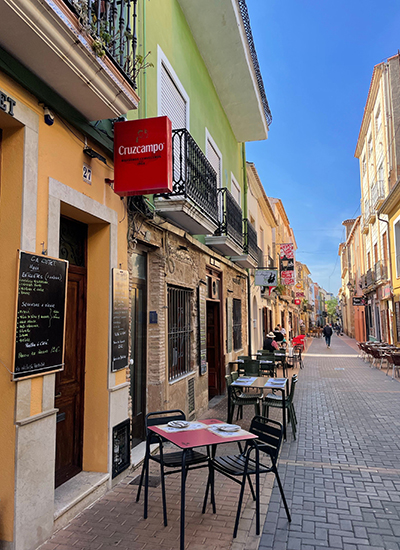
Top Restaurants
Top Restaurants
- Huggo’s
- Sushi Sam
- Jackie Rey’s
- Teshima’s
- Walua Social Club
- Quinn’s
- Fish Hopper
- Kona Brew
- Magics Beach Grill
- Shiono’s Izakaya
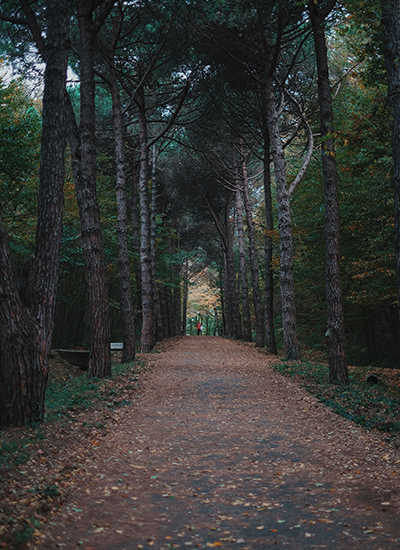
Outdoor Activities and Nature
Outdoor Activities and Nature
- Kona Boys for kayaking and canoe paddling
- Maka`eo Walking Path
- Kahalu`u Beach Park
- Kona Country Club Golf Course
- Night Dives with the Manta Rays
- Parasailing along the Kona Coast
- Kona Cloud Forest Sanctuary
- Anelakai Adventures
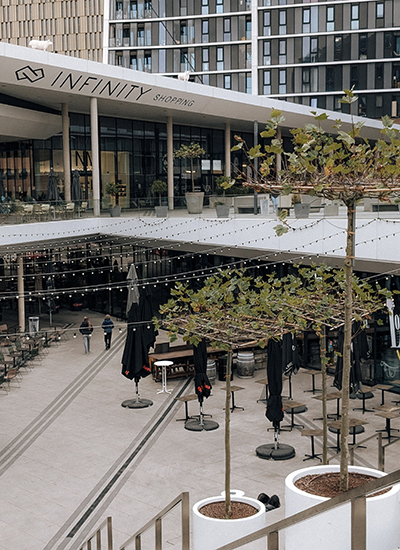
Shopping and Local Businesses
Shopping and Local Businesses
- Kona Commons Shopping Center
- Kona Brew Block
- KTA Superstores
- Safeway Supermarket
- Keauhou Shopping Center
- Paradise Found Boutique
- Olivia Clare Boutique
Attractions or Things To Do
Attractions or Things To Do
- Hulihe`e Palace
- Kona Farmers Market
- Mokuaikau`a Church
- Kaloko-Honokōhau National Historic Site
- Body Glove cruises (depart from Kailua Pier)
- FairWind cruises (depart from Keauhou Pier)
Kailua-Kona Real Estate
Kailua-Kona
Community FAQ
Kailua-Kona is a coastal town in the North Kona District on the leeward (western) side of Hawaiʻi Island, with a primary ZIP code of 96740. It is a distinct place from Kailua on Oʻahu, a separate windward-side town near Honolulu; the "Kona" is often added specifically to distinguish this Hawaiʻi Island town from its Oʻahu namesake. Buyers should confirm the island and address on any listing, since "Kailua" alone can refer to either location.
Greater Kailua-Kona includes or borders several North Kona communities, including Holualoa upslope to the east, Kaloko and Kalaoa to the north, and Keauhou just south along the coast. These areas blend into one another along the Māmalahoa and Queen Kaʻahumanu highway corridors, and real estate listings sometimes use "Kailua-Kona" loosely to describe this wider region rather than just the historic town center.
Daily life in Kailua-Kona centers on a mix of local residential neighborhoods and a busy visitor-oriented waterfront along Aliʻi Drive. Residents have access to a fuller range of shopping, dining, healthcare, and services than in most other Hawaiʻi Island towns, given Kailua-Kona's role as the commercial hub of West Hawaiʻi. The pace and feel can vary noticeably between the tourist-heavy coastal core and quieter residential subdivisions farther inland or along the coast.
Fit depends on individual priorities. Kailua-Kona's relatively extensive services, healthcare access, and dining and shopping options can appeal to retirees and families, while remote workers benefit from generally stronger infrastructure than more rural parts of the island, provided they confirm reliable internet for a specific property. Families should research school assignments, and all buyers should weigh the area's tourism-driven traffic and seasonal visitor volume against its conveniences. Visiting the specific neighborhood is recommended to assess fit.
Downtown Kailua-Kona, particularly along Aliʻi Drive, is one of the more walkable areas on Hawaiʻi Island, with a continuous stretch of shops, restaurants, and historic sites accessible on foot. Walkability decreases significantly outside this core area, where many residential neighborhoods are more spread out and require a vehicle for daily errands.
Kailua-Kona hosts several well-known annual events, including the Kona Coffee Cultural Festival and events associated with the Ironman World Championship triathlon, both of which draw significant visitor attention to the area.
Market conditions in Kailua-Kona — including inventory, pricing trends, and days on market — change regularly and should be confirmed with current MLS data or a local real estate professional rather than general online sources. Please contact the Hawaii team for current market conditions at [ai_phone href="+1."]808.913.0899[/ai_phone].
Both fee simple and leasehold ownership exist in Kailua-Kona, and buyers should not assume one or the other. Fee simple, where the buyer owns the land and structure outright, is generally preferred and more common overall in Hawaiʻi, but some Kailua-Kona condominium complexes are entirely leasehold, meaning the buyer owns the unit but leases the underlying land for a defined term and pays ground rent. VERIFY: the ownership structure, remaining lease term, and any ground rent for a specific property through a title search or with a real estate attorney before purchase, since this significantly affects value and financing.
Kailua-Kona has a substantial mix of condominiums, particularly along and near the coast, alongside single-family homes in inland and upslope neighborhoods, and some vacant land in outlying areas. Condos are especially prevalent in the resort and near-shore areas given the town's tourism-oriented development history.
Cost of living on Hawaiʻi Island, including in Kailua-Kona, is generally higher than the U.S. mainland average, largely due to shipping costs for goods and housing costs, though the specific gap changes over time and Kailua-Kona's more developed commercial base may offer somewhat more price competition than smaller island towns.
Kailua-Kona has a warm, dry, and sunny climate with relatively mild seasonal variation, generally receiving less rainfall than the windward and upland parts of the island. Sitting on the leeward side of Hualālai and the other Hawaiʻi Island volcanoes, Kailua-Kona is largely shielded from the trade wind-driven rain that affects windward areas, giving the coastal town its characteristic dry, sunny conditions, particularly compared to areas like Hilo.
Kailua-Kona has access to several beaches, including areas known for snorkeling and diving given the clear, calm waters typical of the leeward coast, along with nearby golf courses and hiking opportunities on the surrounding slopes.
Kailua-Kona is served by several public schools within the West Hawaiʻi Complex Area, including Kahakai Elementary and Kealakehe Elementary, Kealakehe Intermediate, and Kealakehe High School; the Kealakehe complex covers a wide geographic area extending beyond Kailua-Kona itself.
Kona Community Hospital, located in nearby Kealakekua south of Kailua-Kona, is the closest hospital, offering 24-hour emergency services and acute care to the greater Kona area. Kailua-Kona itself also has various urgent care clinics and medical providers given its role as West Hawaiʻi's commercial hub.
Kona International Airport is close to Kailua-Kona, roughly 7 to 9 miles depending on the starting point in town, typically a 15-20 minute drive.
Most residents in Kailua-Kona rely on a personal vehicle, since the town's neighborhoods are spread across a fairly wide area and public transit coverage is limited. Highway 19 (Queen Kaʻahumanu Highway) and Aliʻi Drive can experience notable congestion, particularly during peak tourist season and commute hours, given Kailua-Kona's role as a commercial and visitor hub for the region.
Most of Kailua-Kona's developed areas connect to the Hawaiʻi County Department of Water Supply system, though this can vary in outlying or upslope properties. Wastewater systems vary by property and neighborhood: some areas of Kailua-Kona have municipal sewer access, while other properties, particularly older or more rural ones, rely on septic systems or, less commonly today, cesspools. State law requires cesspools statewide to be upgraded, converted, or closed by January 1, 2050.
Short-term vacation rental legality in Kailua-Kona depends heavily on the specific property's zoning and permitting history. Hawaiʻi County's zoning code generally permits short-term rentals in designated resort, certain commercial, and General Plan Resort & Resort Node areas, which cover parts of Kailua-Kona, while other residential and agricultural areas are more restricted, and a 2024 court ruling upheld a county ban on short-term rentals on agricultural land. This is general information, not legal advice.
Before purchasing property in Kailua-Kona, buyers should typically investigate zoning and permitted uses (including STVR eligibility), leasehold versus fee simple status, water and wastewater systems, flood and tsunami zone status, lava flow hazard zone, and any condo association rules, fees, or rental restrictions. Given the range of property types in the area — from beachfront condos to upslope single-family homes — these factors can vary significantly between properties. Working with a licensed real estate professional, title company, and, where appropriate, an attorney is recommended for property-specific due diligence.
Kailua-Kona is generally mapped within USGS Lava Flow Hazard Zone 4, which covers much of the flank of Hualālai volcano along the West Hawaiʻi coast and reflects a moderate long-term hazard rating on the USGS's 1 (highest) to 9 (lowest) scale. In Zone 4, standard homeowners insurance and mortgage lending are generally available without the added complications seen in higher-hazard zones. VERIFY: the precise lava zone designation for a specific property through current USGS Hawaiian Volcano Observatory hazard maps or Hawaiʻi County records.
Yes, Kailua-Kona's low-lying coastal areas, including parts of Aliʻi Drive, are within mapped tsunami evacuation zones and have experienced real tsunami damage historically, including significant impacts to waterfront businesses along Aliʻi Drive following the 2011 Japan-generated tsunami. Vog, or volcanic smog from active volcanic gas emissions, can also periodically affect Kailua-Kona depending on wind patterns and volcanic activity levels, though exposure varies. VERIFY: the specific tsunami evacuation zone status for any property through Hawaiʻi County Civil Defense or the Hawaiʻi Statewide GIS tsunami evacuation maps, and current vog conditions through the Hawaiʻi Department of Health's monitoring resources.
Someone relocating from the mainland to Kailua-Kona should research property-specific details like leasehold versus fee simple status, wastewater and water systems, zoning, and tsunami or flood zone exposure before purchasing, given how much these vary across the town. It's also worth understanding Kailua-Kona's tourism-driven character, including seasonal traffic and visitor volume, alongside its advantages as West Hawaiʻi's commercial and healthcare hub relative to more rural parts of the island. Visiting the specific property and neighborhood, and talking with current residents or a local real estate professional, can help set realistic expectations.